KLIMA
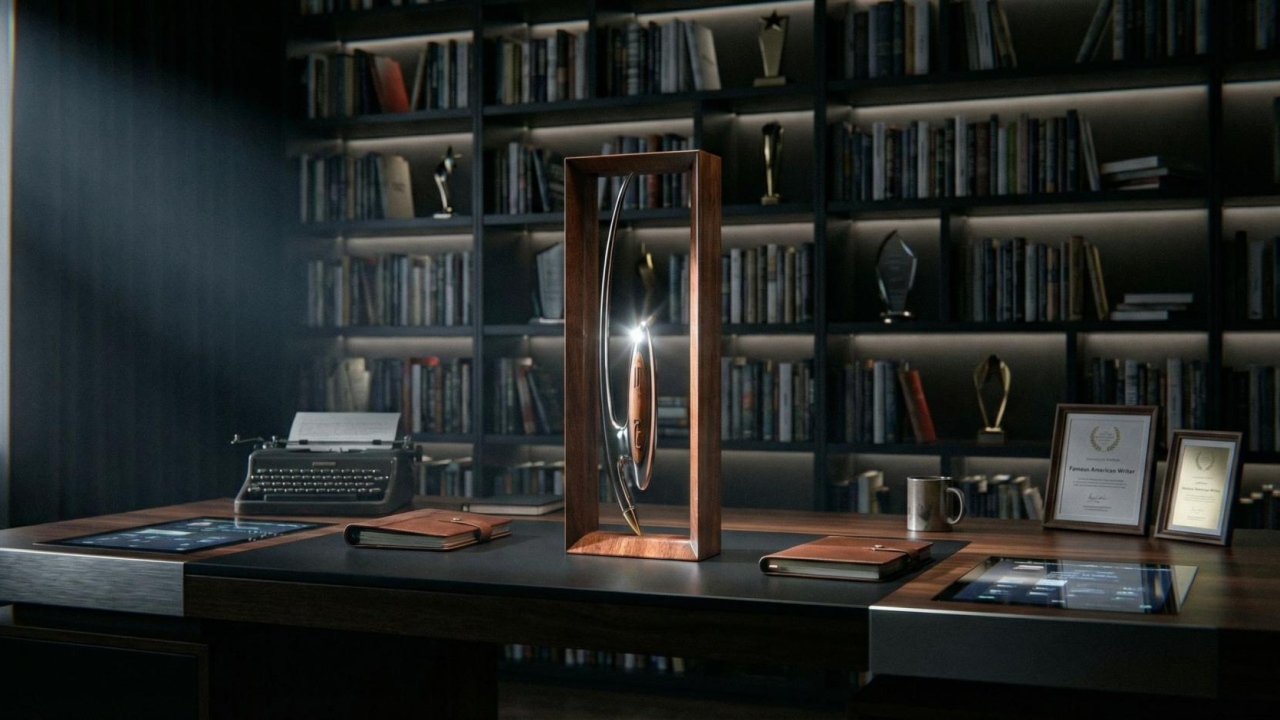
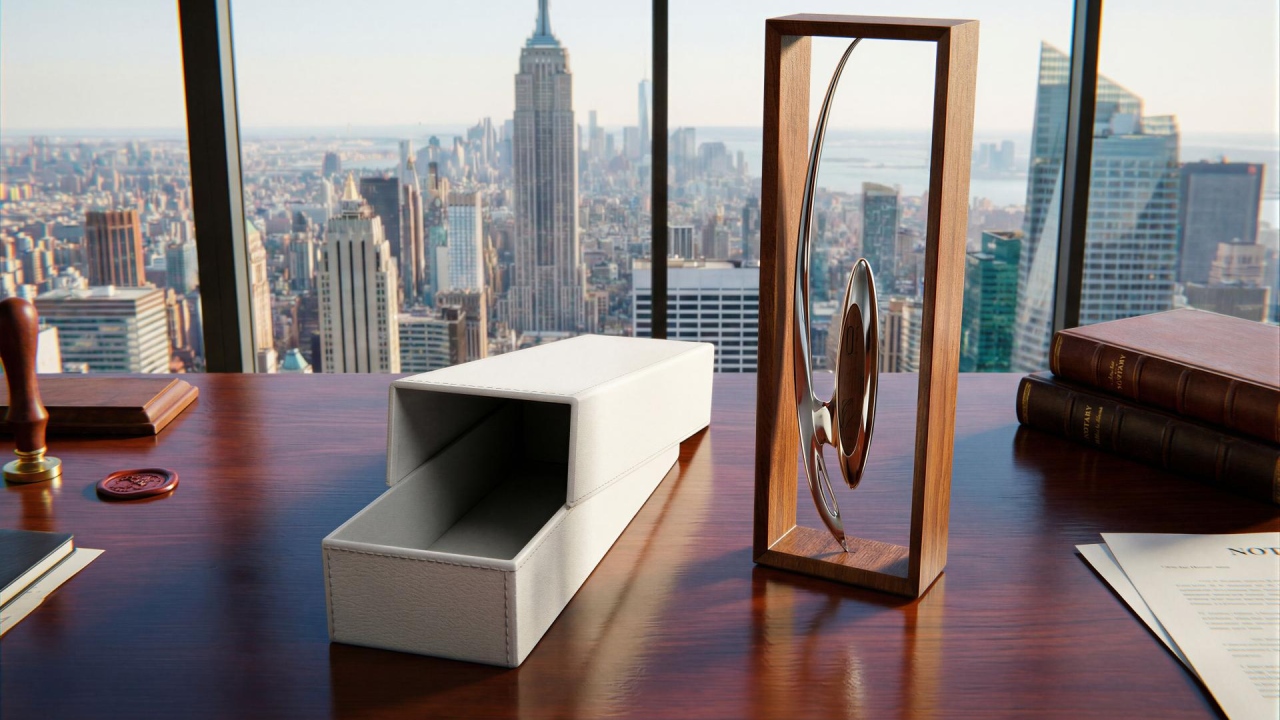
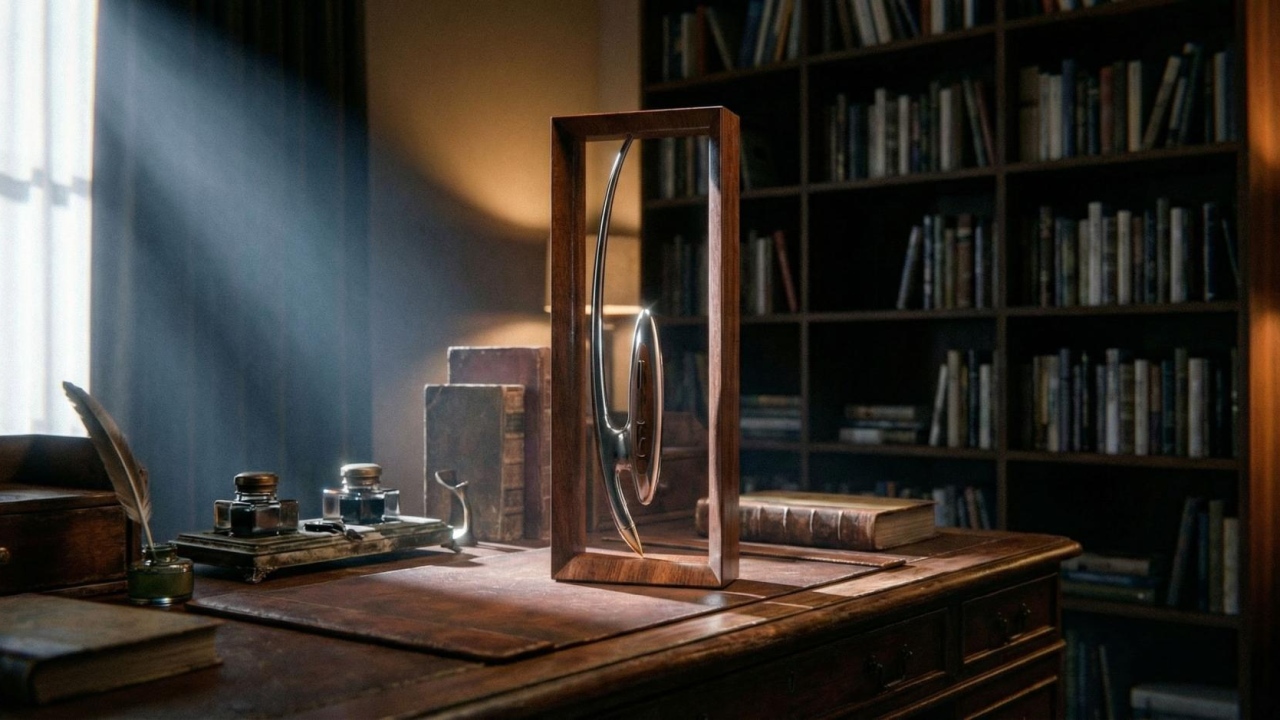
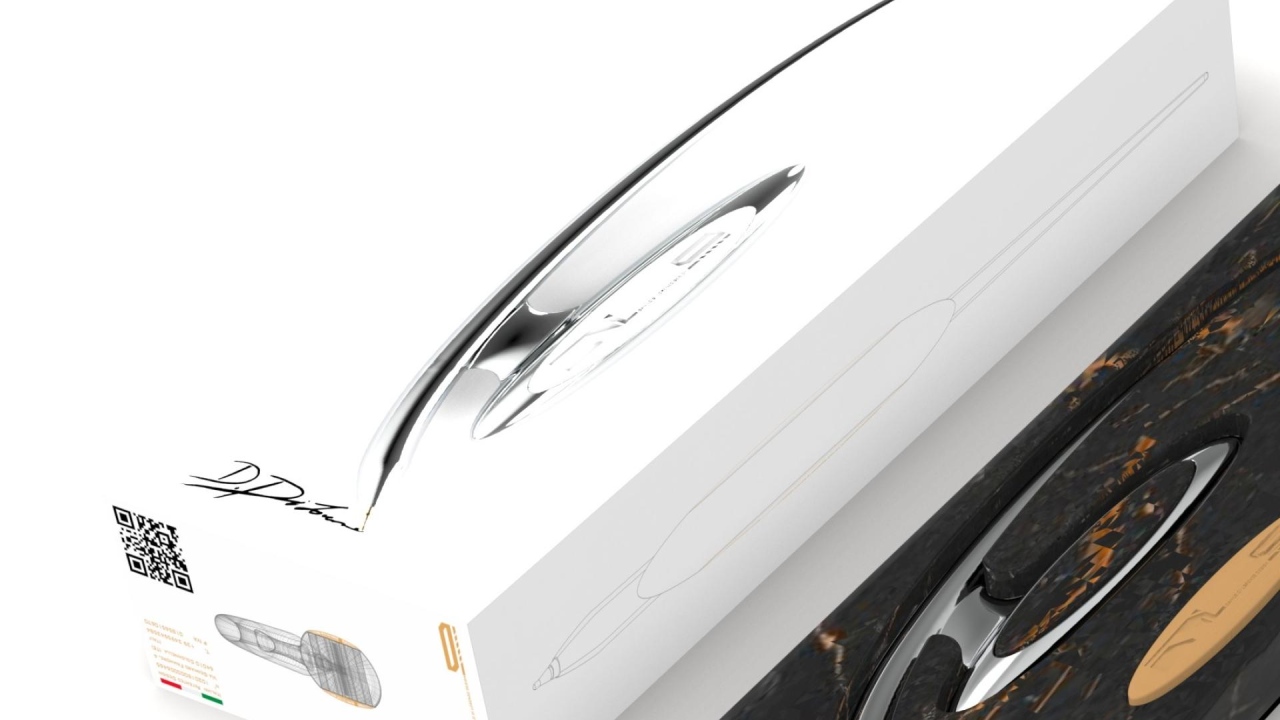
The Pen is a work of engineering and style, designed for those who love writing...
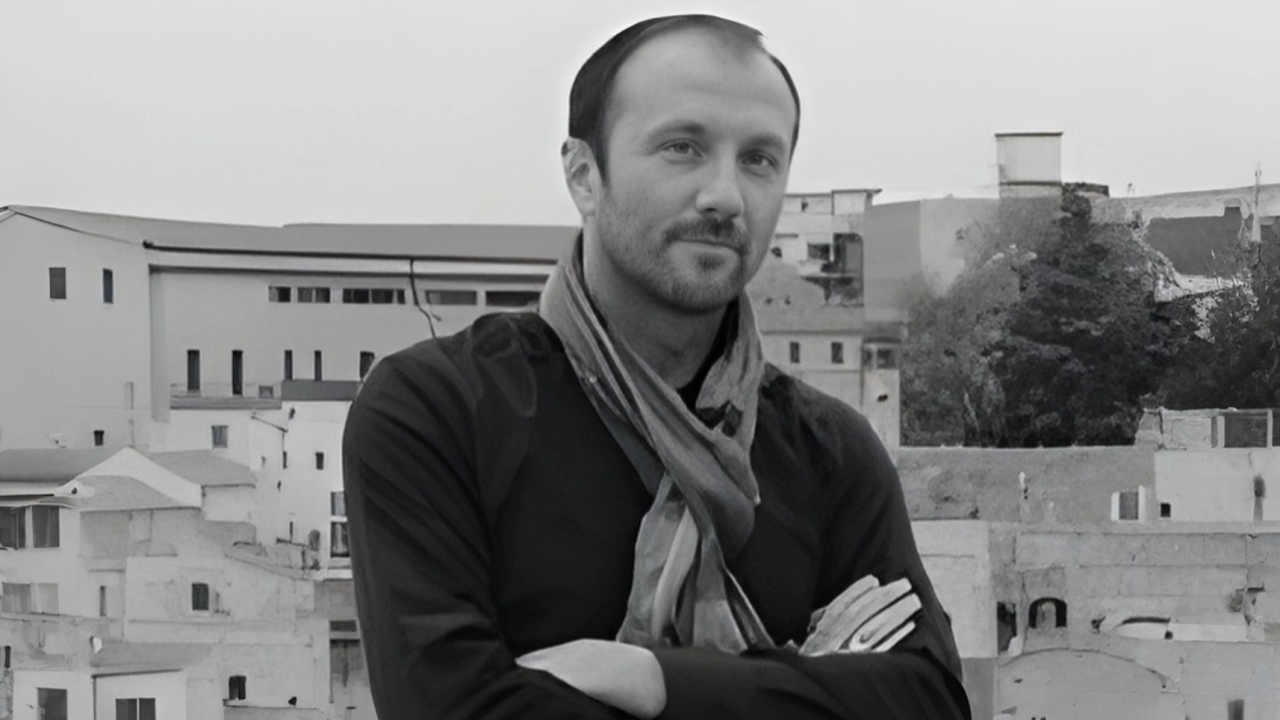
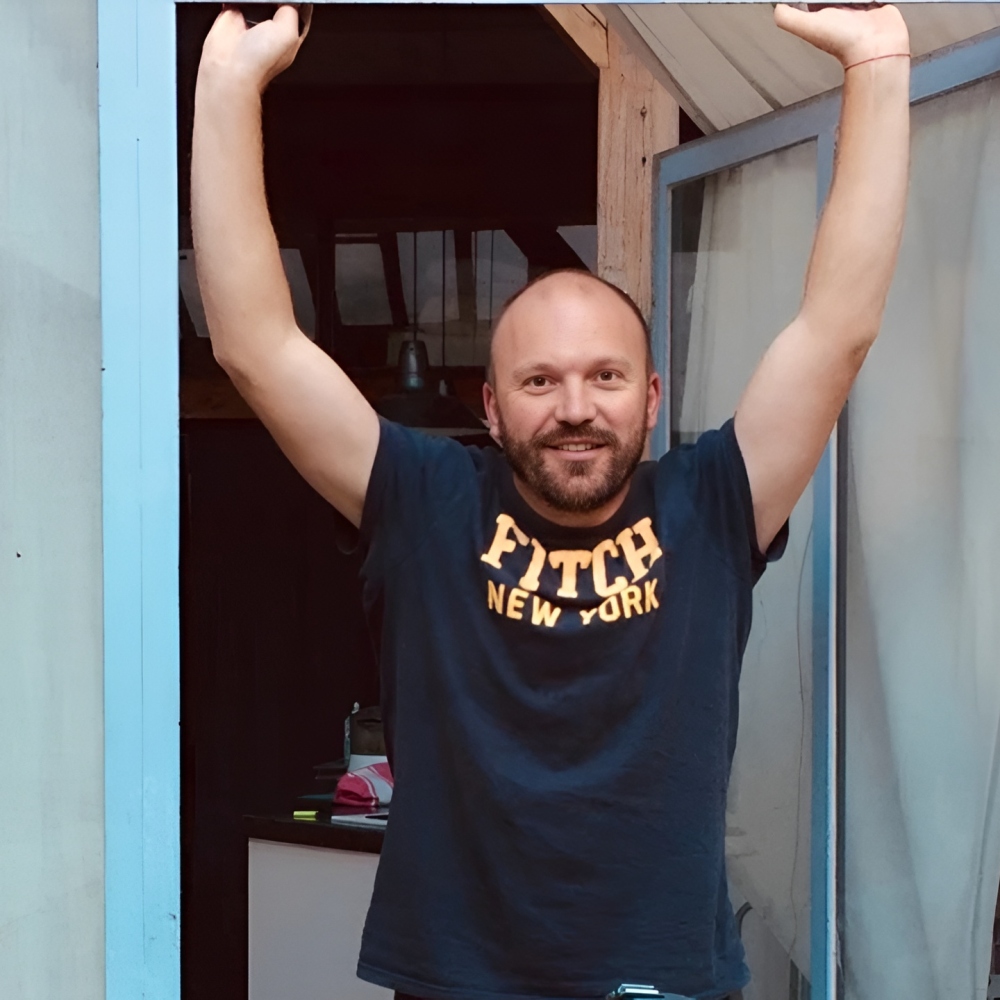
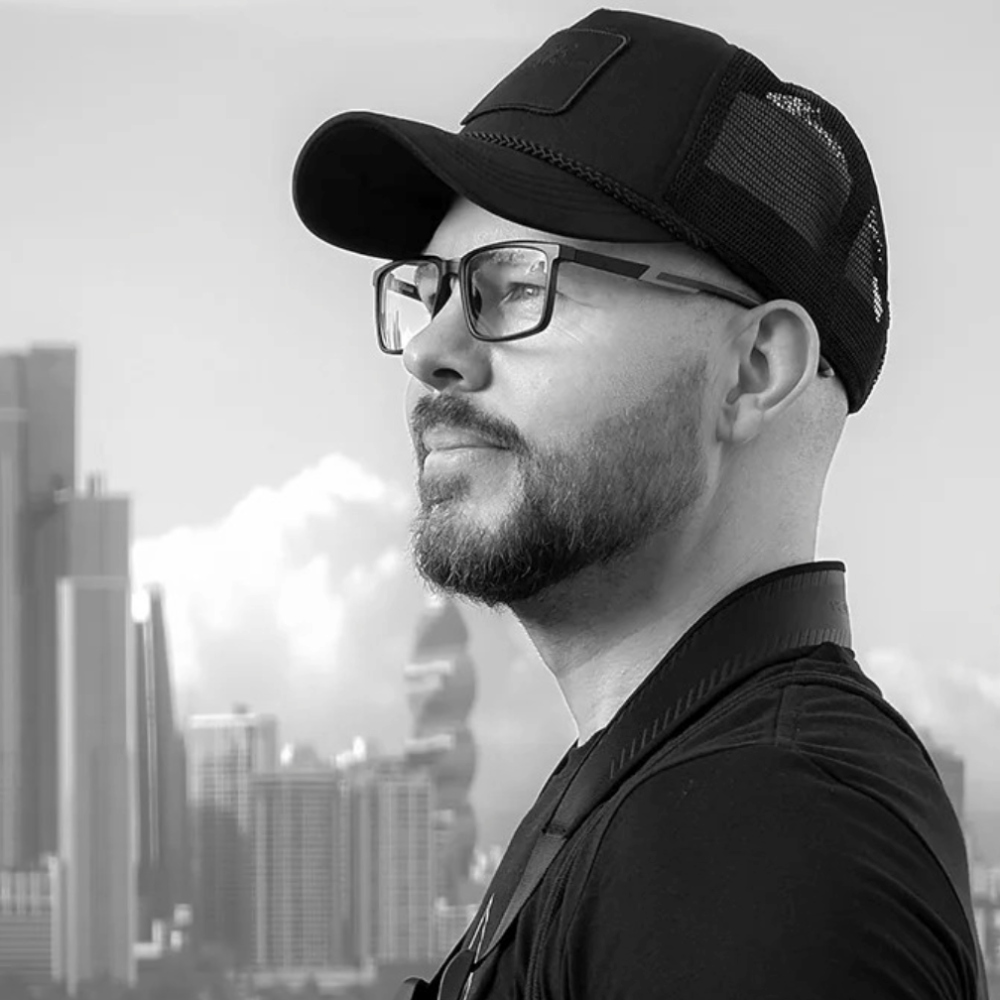
Danilo Di Lorenzo Di Michele explores object design through an ongoing cycle of experimentation and refinement, where each idea is shaped by practical testing and conceptual evolution. His creative process is informed by a wide visual vocabulary, where inspiration can emerge from natural forms or architectural structures alike.
My passion for building and modeling everyday objects, combined with a strong passion for art, has led me to experiment with new forms of objects that can improve and reinterpret the functionality of the object itself.
It's a great honor and a recognition of the ongoing research carried out by my design studio. Furthermore, it's important for me to show the world new concepts that also reinterpret the past.
For now it's making my brand known to the world. I hope that in the future it will represent a testament to the internationally recognized quality of the product.
Experimentation is the beginning and end of my work. There is no product without experimentation, and there is no experimentation without a product. The product begins as a concept, develops through continuous and necessary modifications that must lead to ever-better responses to specific needs, and ends with the design review, or product verification.
There is no single source of inspiration; I believe that all our visual experience, accumulated since birth, participates, voluntarily or unconsciously, in the ideas our brain offers us. Thus, I can find the idea for the shape of a skyscraper from a blade of grass, just as the shape of the moon can inspire the concept of a doorknob. Macro and micro in architecture and design belong to the same conceptual sphere and merge and blur.
I'd like all designers and architects to understand how connected art, architecture, sculpture, and other arts like music and film are. The arts are interconnected, and inspirations from one often come from elements of the other, so the result of the creative process is always a short circuit of elements belonging to different semantics.
Achieving balance is very difficult. You have to understand the client's needs and start from there to develop your project using the ingredients suggested by the client.The work of an architect/designer is comparable to that of a chef. The client provides us with ingredients that we must masterfully combine to create the best dish that meets the client's needs.
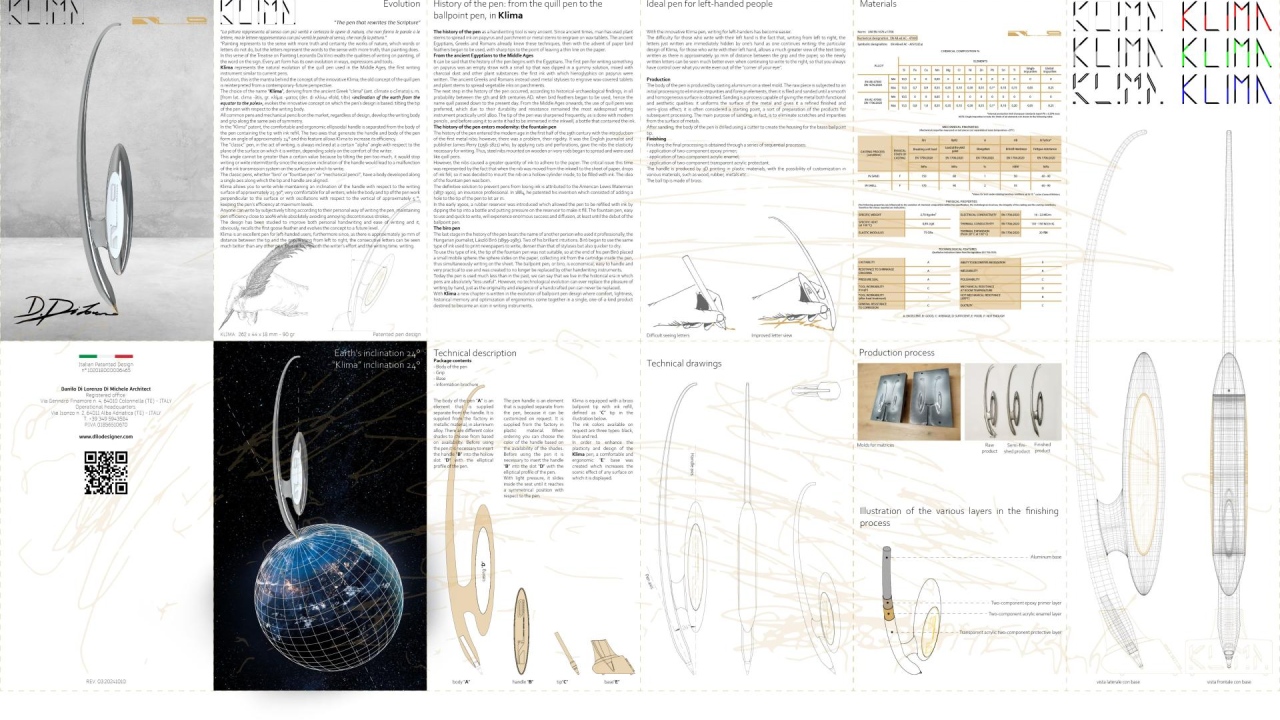
The challenges were many. The project passed three major patent applications. The unique curved shape of the writing instrument required a complex search to find a refill short enough to fit inside the pen. The desire to evoke the memory of the first pen made with goose feathers, but developed with a modern or futuristic language, went through many intermediate stages.
Furthermore, the search for the most suitable external finishing method for a material like aluminum was a lengthy one, as aluminum alloys lend themselves to more or less efficient finishing processes depending on the type of alloy.
Another challenge was finding a name that, while not too long, had to be evocative, representative of the pen's identity, and also recall the fundamental and unique technical characteristic of this product (the inclination).
I wait and try to get inspired by working on completely different things.
My projects always incorporate all my technical and artistic expertise. Sometimes, they also incorporate elements of the client's emotional sphere.
Research, study and a lot of curiosity.
The man I would like to spend time with in the studio is "the one who woke up when everyone was still asleep" Leonardo da Vinci.
I'd like them to ask me if I think my work is important to people's lives. I'd answer that without quality in the spaces we live in and the objects that surround us, society would never improve its style and adapt to the demands of the times.
Read through CIMOR's winning interview by clicking here: From Lab to Daily Routine: CIMOR Integrates Science, Design, and Everyday Use Through Skincare.