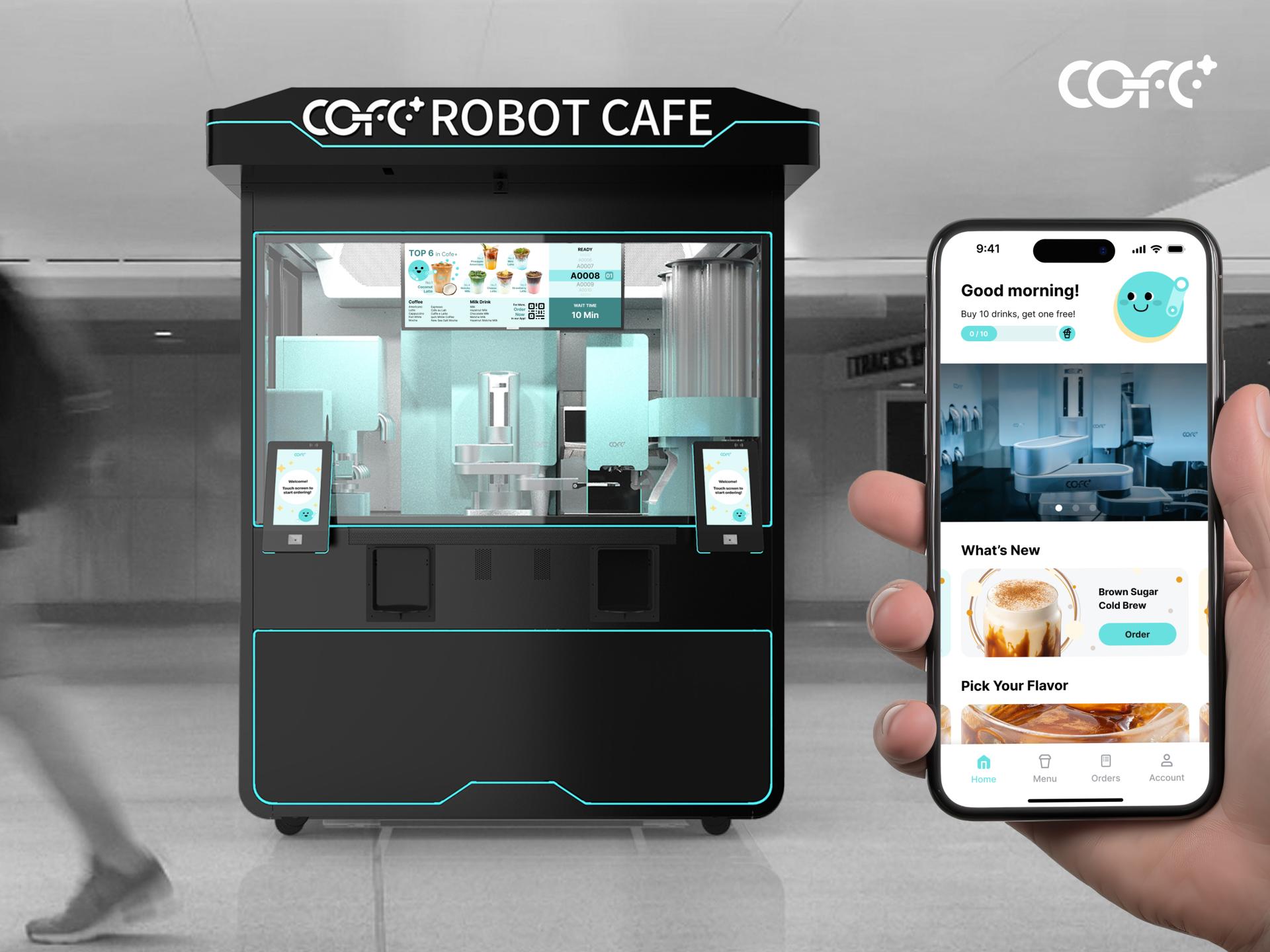
COFE+ Robotic Barista Ecosystem
Urban coffee routines demand speed, consistency, and flexible access. However, traditional cafés can be limited...
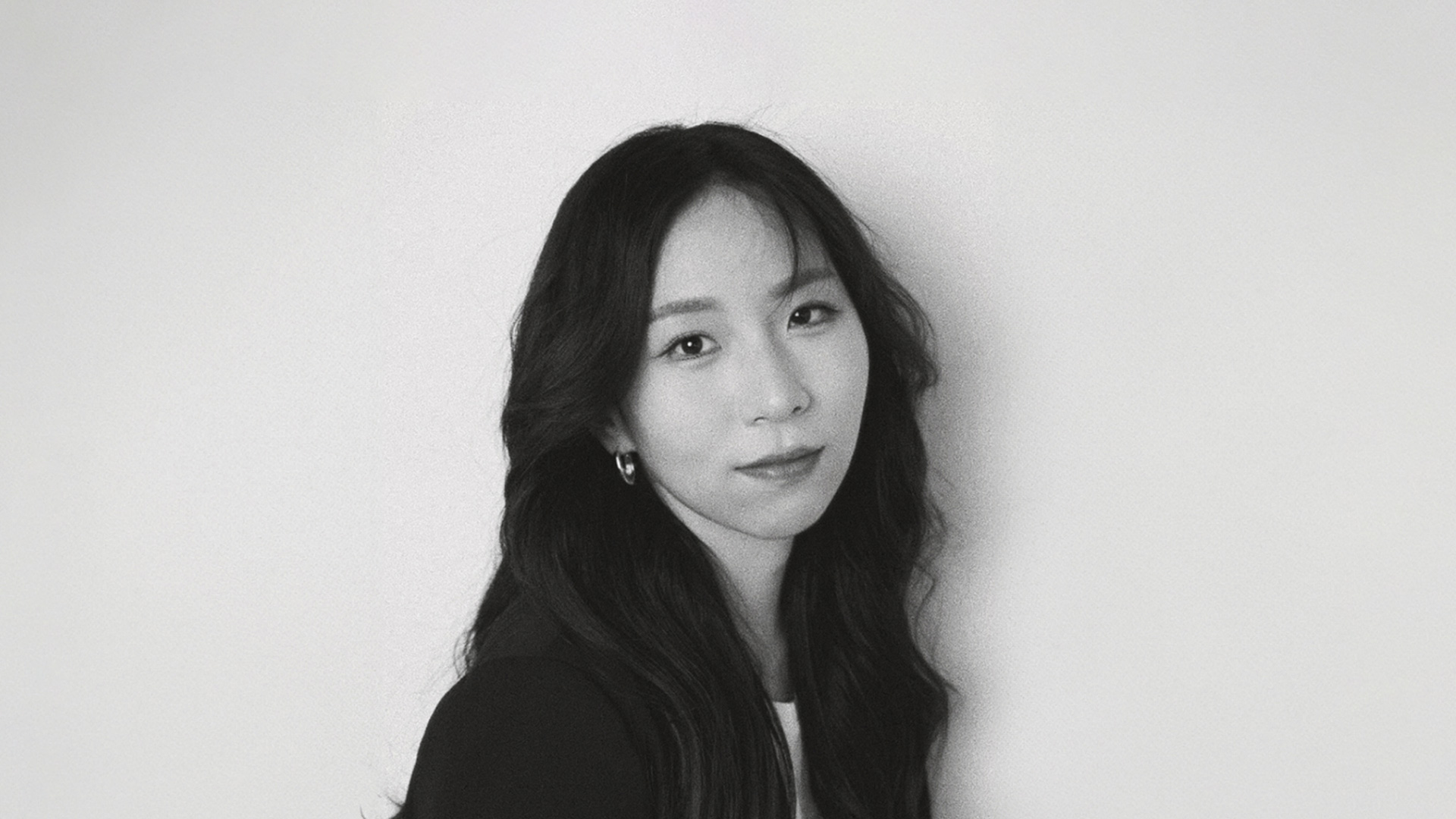
Jianing Wei is a product and experience designer who brings architectural thinking into digital design, creating intuitive and immersive experiences that connect people, information, and culture.
I am a product and experience designer focused on crafting intuitive and elegant digital experiences. Before transitioning into human-computer interaction, I worked as an architectural designer, where I developed a deep sensitivity to spatial storytelling and human-centered environments.
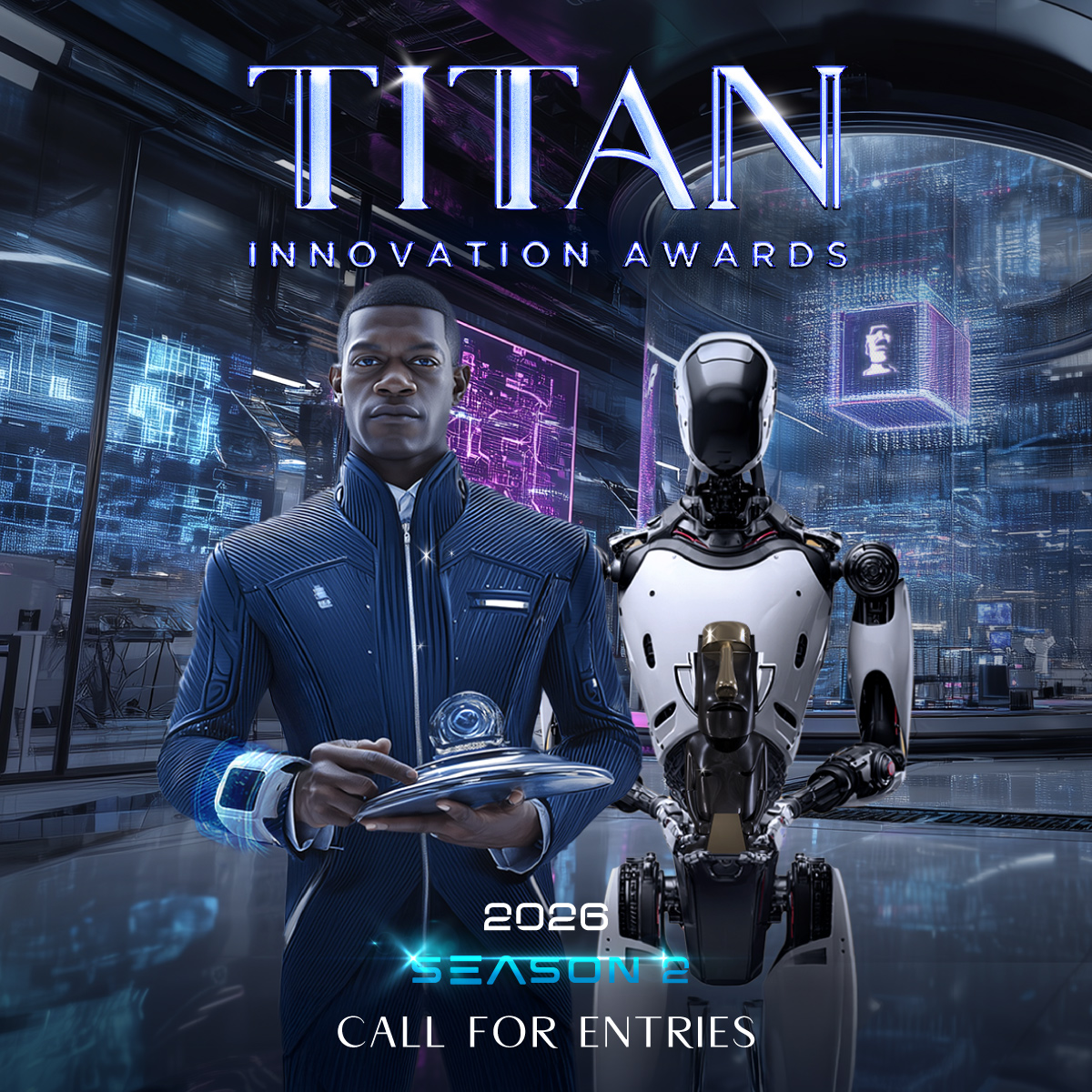
My shift into digital design was sparked by the realization that digital platforms can bridge information gaps and amplify cultural narratives at a much broader scale. By bringing spatial thinking from architecture into interface and system design, I explore new ways to create immersive, meaningful, and efficient human–technology interactions. This year, the design work I led, COFE+ robotic barista ecosystem, was recognized with a Gold Award at the MUSE Design Awards.
Winning Gold is both an honor and a meaningful recognition of my design practice and team leadership. Over the past year, I have continuously iterated on the project, refining not only the interface but also the relationship between automation systems and emotional user experience.
This recognition reinforces my belief that in the age of AI, human-centered design is not optional—it is essential. Designing for efficiency alone is no longer enough; we must also design for empathy, trust, and emotional connection.
The award has brought increased visibility and opened up conversations within the international design community. It has also strengthened the team’s confidence in exploring more ambitious, interdisciplinary projects at the intersection of AI, automation, and human-centered design.
Experimentation is a core driver of discovery in my design process. It is often where the most meaningful ideas emerge.
For the COFE+ robotic barista ecosystem, we went through multiple rounds of ideation and iteration when designing the IP character. By testing across different touchpoints, including mobile, kiosk, and display systems, we were able to evaluate scalability and adaptability.
Through real-world comparisons, we identified the most versatile solution, which ultimately shaped the final, expressive, and cohesive design language.
One of the most unexpected sources of inspiration came from observing robotic arms making coffee. Before this project, I hadn’t fully realized how advanced automation had become in performing such delicate service tasks.
This experience sparked both excitement and curiosity about how we can bring warmth and humanity into highly mechanized systems. That question directly influenced our design, where elements of the robotic arm were subtly integrated into the visual language to bridge technology and human emotion.
Design is deeply collaborative, and alignment is rarely effortless. Different perspectives, aesthetics, and priorities must be negotiated through structured comparison, iteration, and decision-making.
Strong leadership plays a crucial role in guiding this process, while a well-defined design system ensures consistency. In this project, applying atomic design principles significantly improved efficiency and coherence, allowing the team to scale ideas while maintaining a unified visual and interaction language.
Preparation is key. Before presenting to clients, we build a clear and structured design rationale, ensuring that every decision is grounded in logic and user insight.
This approach reduces major directional changes and helps preserve the core concept. At the same time, we treat client meetings as opportunities to gather deeper insights, align expectations, and refine details collaboratively.
One of the primary challenges was navigating differing perspectives within the team. We addressed this through iterative comparisons, open communication, and structured decision-making processes. Leadership also played a critical role in synthesizing viewpoints and guiding the team toward a cohesive direction.
I intentionally step away from design work and engage in everyday activities, such as cooking, listening to podcasts, or even grocery shopping. These moments often reconnect me with real-life experiences and overlooked details. By observing daily life more closely, I gain new insights that naturally translate into fresh ideas and perspectives.
Authenticity is a core value in my work. For COFE+, I chose to produce original video content rather than relying on stock footage. I visited the site to document real interactions—ordering, waiting, and receiving coffee.
This approach allowed us to capture genuine human moments within an automated system, reinforcing our goal of making AI-driven experiences feel warm, relatable, and human-centered.
Always design with people in mind. Observe real behaviors, listen to real needs, and engage with the world beyond your screen. Avoid designing in isolation or relying solely on AI-generated ideas. The most meaningful innovations come from a deep understanding of human experience and real life.
I would love to collaborate with studios like Geist, who have been redefining the human dimension in AI design. Their use of tactile colors, handcrafted aesthetics, and classical typography brings warmth and personality into AI interfaces.
Their work demonstrates that AI does not have to feel cold or purely functional; it can be expressive, approachable, and deeply human. This philosophy strongly resonates with my own design direction.
I wish more people would ask: “What does it mean to design emotion in an AI-driven system?”
For me, designing emotion is not about adding decorative elements; it is about shaping how people feel throughout an interaction. In systems driven by automation, where efficiency is often prioritized, there is a risk of losing the human connection.
Our work explores how subtle design decisions—timing, feedback, tone, and visual language—can restore that connection. The goal is to make technology not only functional, but also empathetic, creating experiences where users feel understood, supported, and even accompanied.