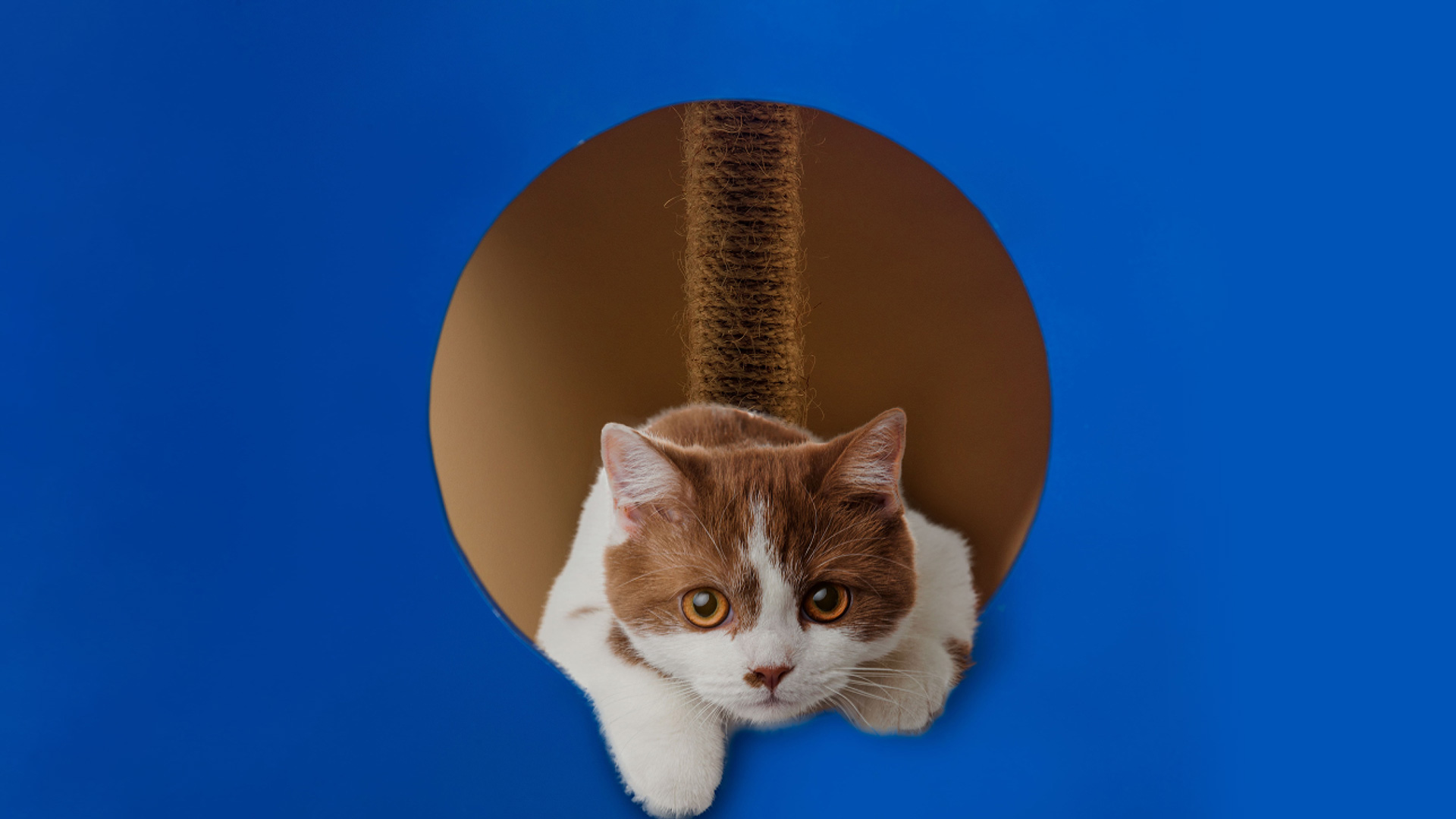
Shed or Tree
Shed or Tree is a project born from my daily life with cats and my...
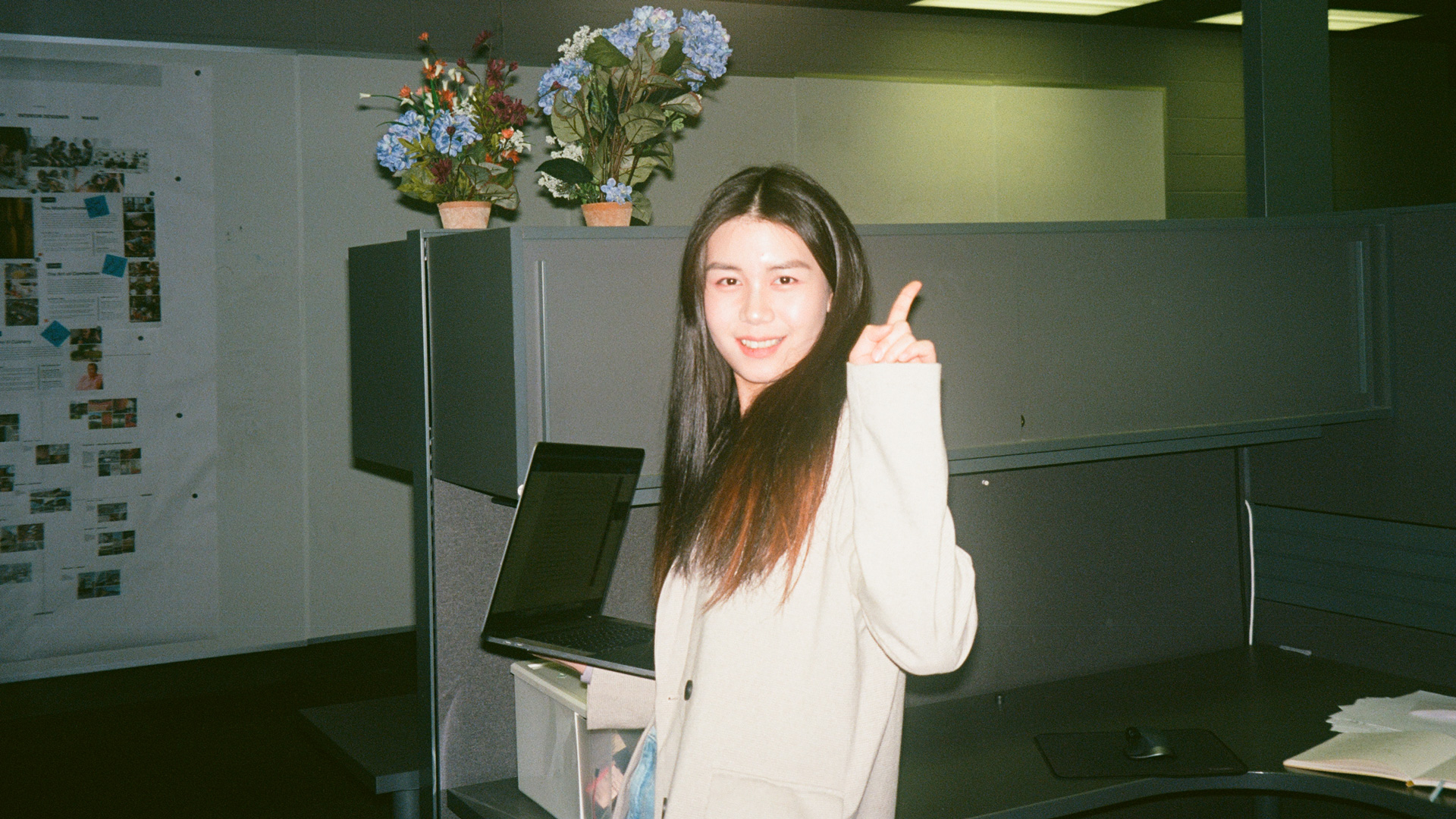
Suwenjing is a product and UX designer with a background in industrial design and design management, currently shaping technology products in the U.S. Driven by an early passion for drawing, she sees design as a powerful tool for solving problems and creating meaningful impact.
I’m Suwenjing, a product and UX designer with a background in industrial design and design management. I currently work on product and interface design for technology products in the U.S. My interest in design began at a young age—I loved drawing, and my mother encouraged me to study with a professional art teacher. Later, I pursued product design at university, where I discovered the joy of turning ideas into tangible objects through making and prototyping.
When I came to the United States to study industrial design, I was exposed to a much broader design landscape, including UI/UX, visual design, and digital products. That experience helped me realize that design is not only about aesthetics—it is a powerful tool for solving problems, creating business value, and shaping how people interact with technology. That belief continues to motivate my work today.
Being recognized in the MUSE Design Awards is both an honor and an encouragement for me as a designer. It affirms that the ideas and effort behind my work can resonate beyond my immediate team and reach a broader design community.
For me, awards are not only a recognition of aesthetics, but also an acknowledgment that design can solve real problems and create meaningful value. This recognition motivates me to keep exploring thoughtful, human-centered solutions and to continue contributing to projects that connect creativity, technology, and real-world impact.
Being recognized by the MUSE Design Awards has given me a great deal of confidence as a designer. It validates the creative direction and problem-solving approach that I bring to my work, and it reminds me that thoughtful design can make a real impact beyond a single project. For my team, this recognition highlights the value of collaboration—great design rarely happens alone, and this award reflects the collective effort behind turning ideas into meaningful solutions.
On a personal level, this achievement encourages me to continue pushing forward, exploring new ideas, and taking on more ambitious projects. It has also opened opportunities to share my work with a broader design community, connect with other designers, and contribute more actively to discussions about how design can shape technology, business, and everyday life.
Experimentation plays an important role in my creative process because design rarely arrives at the best solution on the first attempt. I see design as a cycle of proposing ideas, testing them, and refining them through feedback. For example, when I worked on the Shed or Tree cat furniture project, I initially explored many different concepts for cat furniture. I created early prototypes and brought them to potential users to observe how cats interacted with them and to gather feedback from pet owners.
Through this process, I discovered that vertical space was the most valuable feature for both small homes and cats’ natural climbing behavior. This insight led to the final modular cat tree design. For me, experimentation is how ideas evolve into meaningful solutions, and it is a methodology I apply to all of my design work.
One of the most unusual sources of inspiration I’ve drawn from is the way cats move and interact with spaces. Watching them leap, curl up, or find hidden corners gave me ideas about flow, geometry, and cozy zones in home design. It’s fascinating how their behavior can translate into design principles—such as creating small, inviting nooks or arranging furniture to encourage movement and comfort.
One thing I wish more people understood is that design is not magic or instant problem-solving. Many people expect designers to quickly produce the perfect solution, but the reality is that design is a complex and often non-linear process.
It involves identifying the real problem through research, exploring ideas through experimentation, and continuously refining them with feedback and insight. Along the way, designers must also balance feasibility, business goals, and user needs. Like any other profession, good design takes time, patience, and thoughtful decision-making.
Balancing client expectations with my own ideas starts with understanding the core goal of the project. I first focus on the problem the client wants to solve and the value they want to create. My role as a designer is to translate those goals into thoughtful design solutions. Sometimes, that means proposing ideas that go beyond the initial request, supported by research, user insights, or prototypes.
When differences arise, I try to communicate the reasoning behind the design clearly and test ideas through feedback or small experiments. In the end, good design is usually a collaboration—where the client’s vision and the designer’s perspective meet to create a solution that works both creatively and practically.
One of the main challenges was defining the real problem behind the project. Many pet furniture products focus mainly on appearance or basic functionality, but through early exploration, I realized that cats’ natural climbing behavior and the limited vertical space in many homes were often overlooked. Another challenge was balancing aesthetics with stability and usability, since the design needed to look playful while still being safe and comfortable for cats.
To address this, I explored multiple concepts and built early prototypes, then gathered feedback from users and observed how cats interacted with the structures. Through this iterative process, I refined the design into a modular, vertical cat tree that supports natural behavior while fitting better into small living spaces. The challenge ultimately became an opportunity to create a solution that is both functional and expressive.
When I hit a creative block, I step away and reconnect with the world around me. Sometimes, when we focus too deeply on one problem, we become stuck in our own perspective. I recharge by observing, talking with people, and experiencing new things. Inspiration can come from nature, relationships, movies, or even my cat.
By temporarily stepping away from the project and allowing new experiences to enter my mind, fresh ideas often emerge unexpectedly. I believe designers should embrace the world more often—to observe, to absorb, and to stay open to surprise.
For me, creating is a form of expression, while design is a more restrained and thoughtful form of expression. Design naturally brings together a designer’s aesthetic taste, life experiences, and attention to detail in a subtle way.
Personally, I enjoy a vibrant lifestyle and bold, saturated colors, which strongly influence my work. When I discovered the Memphis design style, its playful shapes and energetic colors immediately resonated with me. I decided to incorporate that visual language into my cat tree project, combining my personal aesthetic with functional design.
The final result reflects both my design thinking and my personal perspective on joyful living spaces.
My advice is to believe in yourself and keep moving forward. Design is a journey of constantly breaking through your own limits. Don’t just think—create, experiment, and do the work. At the same time, stay connected to life: observe nature, experience relationships, and remain curious about the world around you.
Design grows from real experiences and genuine feelings. If you keep learning from life and continue creating with patience, clarity and confidence will come naturally—and success will follow.
I would love to collaborate with Piet Mondrian. In his later work, he distilled visual expression down to primary colors—red, yellow, and blue—combined with black and white lines. I’m fascinated by how this simplicity creates such a strong sense of order and rhythm.
For me, collaborating with Mondrian would be about evolving his visual language into something that fits my own style, especially in home design. I imagine translating his geometric, color-block approach into furniture, interiors, and spatial layouts—where art and functionality meet.
It aligns with my approach of blending aesthetics and practicality, and it challenges me to create spaces that are both visually striking and livable.
I would expect people to ask me how many cats I have raised, and my answer would be eight.