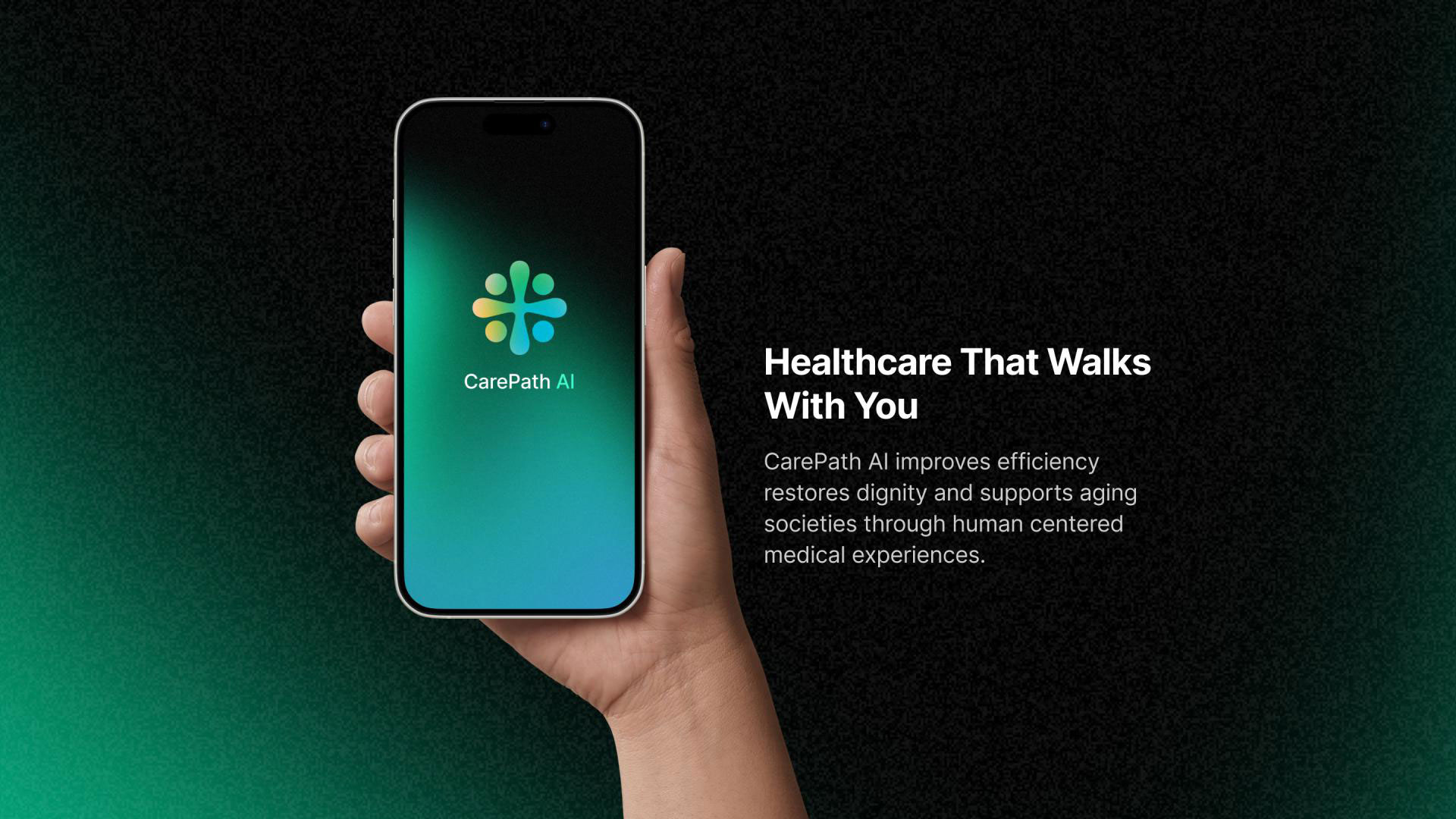
CarePath AI - An AI Powered Companion for Elderly Outpatient
CarePath AI is an AI powered companion system designed to support elderly patients throughout the...

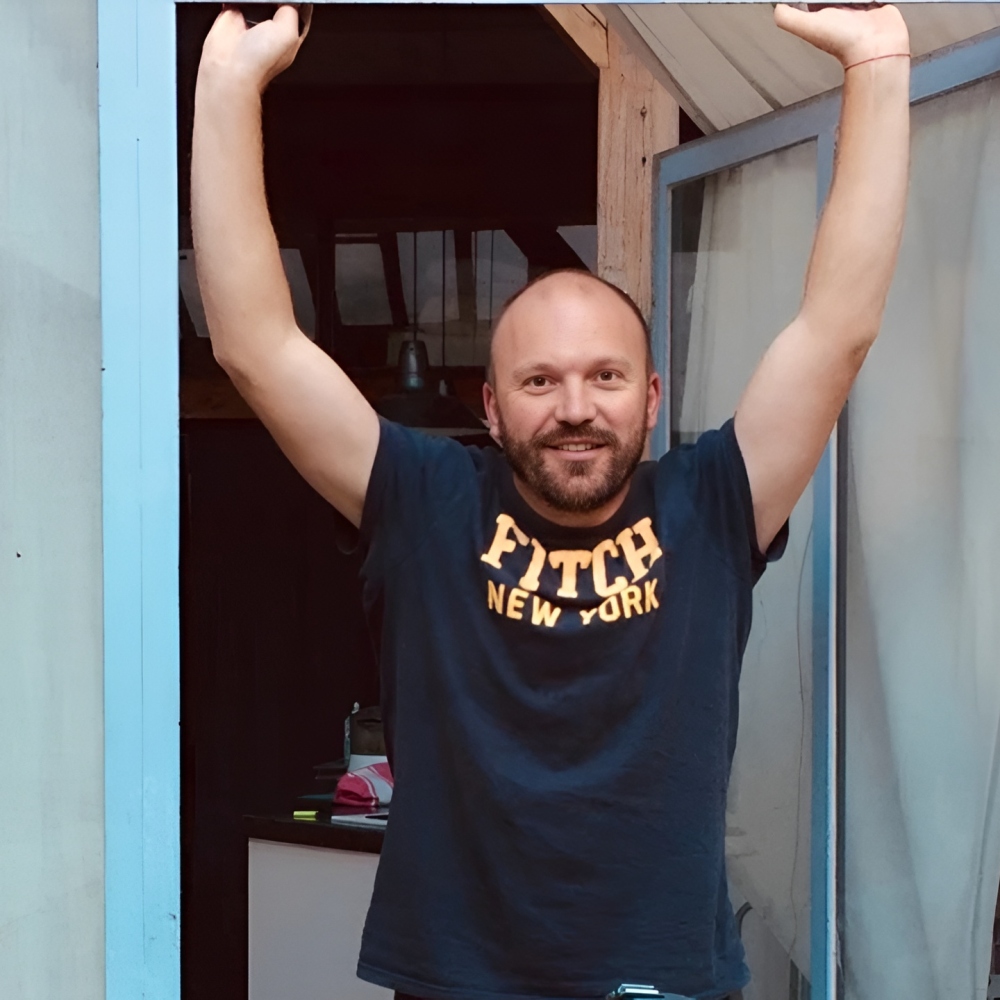
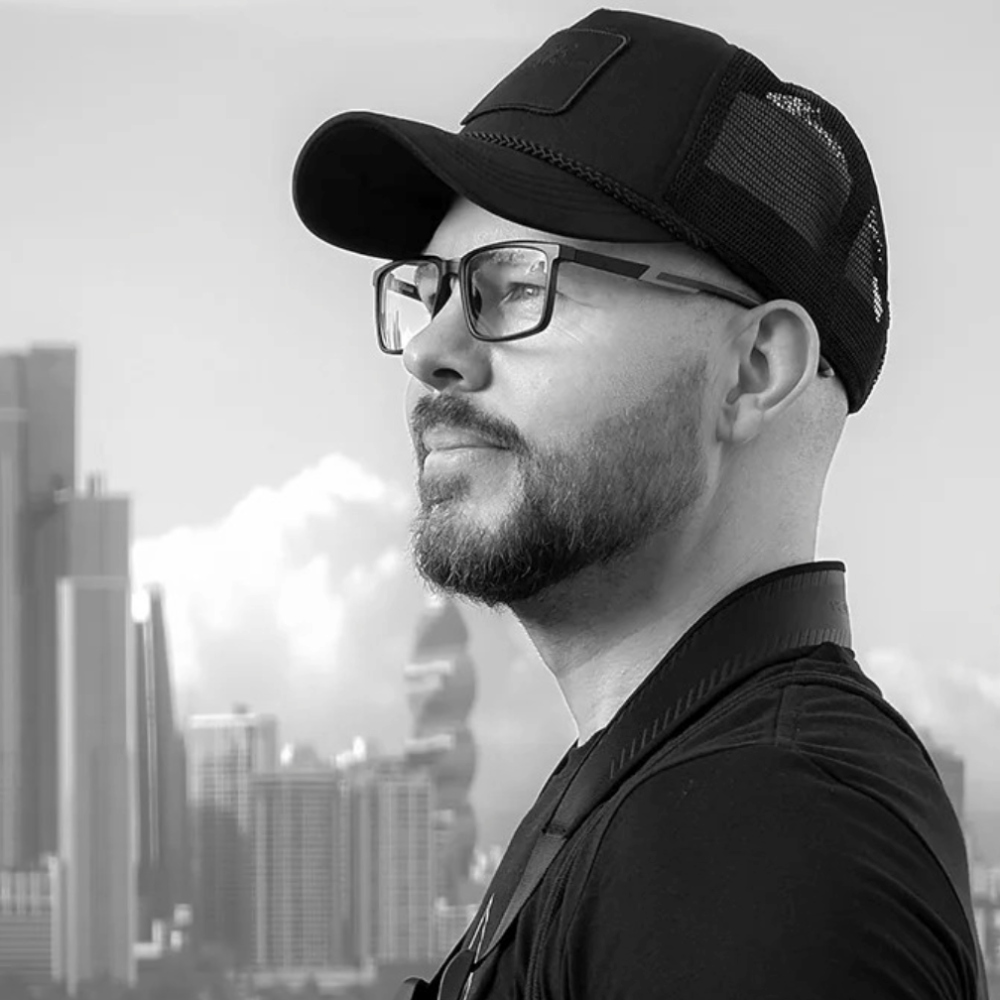
Yuehong Zhou is an independent product and experience designer who combines architectural thinking with human-centered technology, creating intuitive and inclusive experiences that help people navigate complex systems with confidence and ease.
Thank you! First of all, I truly appreciate this recognition. I’m currently an independent product and experience designer who cares deeply about the relationship between people and space, as well as people and technology.
My background is somewhat unique—I studied architectural design at University College London. Architecture gave me not only a foundation in spatial thinking but also a human-centered perspective: understanding how design can help people feel clear, calm, and oriented in complex environments.
What truly led me into product and interaction design were the three years I spent as a UX designer at Huawei. I worked on system-level design for HarmonyOS, HarmonyOS Smart Mobility (HMI), and XR products. Through this experience, I learned how to transform seemingly technical functions, such as privacy, security, and efficiency, into experiences that help users feel confident and at ease. At the same time, I became increasingly aware that the people who need good design the most are often those overlooked by technology.
My grandparents often felt anxious and overwhelmed by the complexity of hospital processes. One day, while accompanying them to a medical appointment and watching their confusion at payment counters, examination departments, and medication instructions, I realized that technology should not serve only younger generations.
That experience led me to ask a simple question: could a stressful hospital visit become a more supportive and reassuring experience—one that gently says, “Take it one step at a time, I’m here with you”? That question became the starting point for CarePath AI.
So rather than saying design itself attracted me, it is more accurate to say that using design to address overlooked challenges in the real world is what continues to drive me.
This recognition from the MUSE Design Awards has further reinforced my belief that good design is not only about aesthetics or functionality—it is about supporting people, respecting their needs, and helping them live with dignity.
It means a great deal to me. This award reinforces the importance of designing for older adults, a group that is often overlooked by technology. It validates that CarePath AI is not only a strong concept, but also a meaningful solution that brings dignity, confidence, and peace of mind to the hospital experience.
More importantly, it encourages me to continue using design as a tool to support those who need it most.
This award has brought greater recognition and credibility to both me and my team. As an independent designer, it has helped me connect with new clients who value inclusive design for older adults.
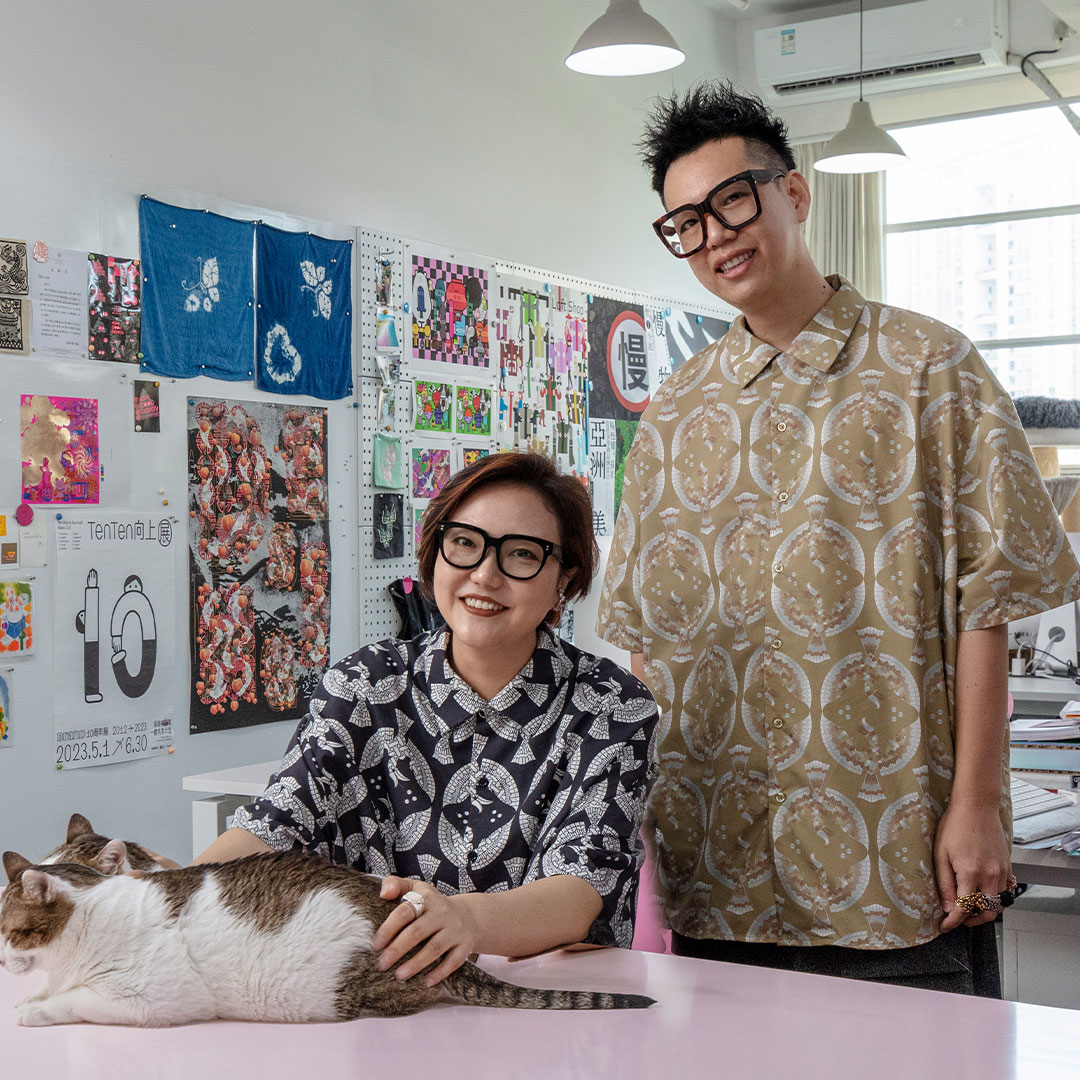
My design firm, See&Saw, has gained increased visibility, and we have been invited to speak at industry events. It has also opened opportunities to collaborate with hospitals and healthcare technology companies seeking to improve the patient experience. Most importantly, it has given us the confidence to continue creating solutions that make a meaningful difference in people's lives.
Experimentation is essential to my design process. It allows me to test ideas quickly and understand what truly works for users. When designing CarePath AI, for example, I explored different ways to guide older adults through hospital processes, including voice-only interactions, vibration-based alerts, and a combined approach with simplified visual guidance.
One key breakthrough came when I introduced NFC (near-field communication). Instead of requiring users to type or search for appointment information, I designed a simple tap-to-start experience. By tapping a hospital ID card or wristband against a kiosk or smartphone, users could instantly access their personal information, appointment schedule, and payment status.
Through repeated prototyping and testing with older adults, I found that combining voice guidance, gentle vibration alerts, and NFC-enabled check-in and navigation significantly reduced confusion by eliminating the need to remember or manually enter information. That insight ultimately shaped the final design of CarePath AI.
One of the more unusual sources of inspiration for CarePath AI came from airport wayfinding systems—but not the signage itself. I was fascinated by how older travelers naturally followed the rhythm of moving walkways and seamlessly tapped their boarding passes at automated gates.
That simple pattern of tap and follow inspired both the NFC interaction and step-by-step guidance system in CarePath AI. While I was designing for a hospital rather than an airport, I discovered that the need for clear, low-stress navigation was remarkably similar.
I wish more people understood that design is not just about making things look good. It is about solving real problems through testing, learning, and iteration. The final product may appear simple, but behind it are countless experiments, user feedback sessions, and refinements.
Good design requires time, patience, and a willingness to learn from mistakes along the way.
I start by listening carefully to the client's goals and constraints. From there, I explain the reasoning behind my design decisions using data, user research, and real-world insights. When conflicts arise, I look for solutions that balance business objectives with user needs.
For example, a client may request additional features, but I can demonstrate how a simpler experience reduces confusion and improves usability for older adults. Ultimately, I stay focused on user needs, which often aligns with the client's long-term success.
The biggest challenge was designing for older adults with varying levels of technological experience. Some had never used a smartphone, while others struggled with small buttons, complex menus, and unfamiliar interfaces. Another challenge was the complexity of hospital workflows, where patients often need to manage payments, locate examination rooms, monitor wait times, and understand medication instructions within a single visit.
I addressed these challenges by spending time observing older adults in real hospital environments. I paid close attention to the moments that caused the most confusion, such as unexpected pop-ups, unclear directions, or information overload. I then developed low-fidelity prototypes and tested them repeatedly. To simplify the experience, I introduced NFC to eliminate manual data entry, incorporated voice guidance and vibration alerts to reduce reliance on screens, and broke complex tasks into clear, step-by-step instructions.
Each round of testing revealed new insights. In the end, the design became simple not because features were removed, but because I gained a deeper understanding of what users needed at each stage of their journey.
When I encounter a creative block, I step away from the screen and immerse myself in the real world. Whether it’s taking a walk, visiting a busy hospital lobby, or observing how people interact with everyday objects, these experiences often provide fresh perspectives and new ideas.
I also enjoy sketching freely or speaking with people outside the design field, such as doctors or retired teachers. Their perspectives often challenge my assumptions and help me see problems differently. Most importantly, I remind myself that creative blocks are a natural part of the process, and a short break often leads to a stronger solution.
I bring empathy and patience into every design project. Watching my own grandparents struggle during hospital visits taught me that technology should never leave people feeling confused, overwhelmed, or anxious. My background in architecture has also shaped my approach, emphasizing clarity, structure, and a sense of calm within complex experiences.
My time at Huawei reinforced the idea that privacy, control, and confidence are fundamental human needs, not simply product features. As a result, I approach every project with a few key questions: Does this design respect the user's dignity? Does it reduce confusion? Does it make people feel supported rather than rushed? These principles continue to guide everything I create.
Focus on the user, not the award. Take the time to understand who you are designing for, especially those whose needs are often overlooked. Observe their experiences, listen to their concerns, and test your ideas early and often. Most importantly, do not be afraid of failure—every mistake is an opportunity to learn something valuable.
I also encourage aspiring designers to support their decisions with evidence rather than personal preference alone. Research, testing, and user feedback will always strengthen your work. Finally, stay curious and compassionate. Good design is not about recognition; it is about making someone's life a little easier, more comfortable, or more meaningful.
I would choose Don Norman. His book, The Design of Everyday Things, taught me that good design should be intuitive and respectful of human limitations. I admire how consistently he focuses on real user needs rather than aesthetics alone.
I would love the opportunity to explore with him how technology can become more accessible for older adults and how everyday interactions can be made less frustrating and more empowering. His human-centered philosophy closely aligns with the principles that guided the development of CarePath AI.
I wish people would ask, "How would your design help hospital staff, not just patients?"
My answer would be that CarePath AI was designed to support both groups. Based on user testing and workflow analysis, I believe it has the potential to significantly reduce the time staff spend providing repetitive directions and assistance. With NFC-enabled check-in and voice-guided navigation, older adults can complete routine tasks more independently and confidently.
As a result, healthcare staff can spend less time answering navigation-related questions and more time focusing on patient care. While CarePath AI remains a concept, feedback from hospital staff has been overwhelmingly positive, with many expressing that solutions like this could help improve both operational efficiency and the overall patient experience.